Budget Audiobook Studio Gear: Unlock Pro Sound at Home
In 2025, with the audiobook market soaring to new heights and indie creators flooding platforms like Audible, setting up a home audiobook studio has never been more accessible or affordable. You don't need a Hollywood budget to achieve pro-level sound—smart choices in budget home audiobook studio gear can deliver crystal-clear narration that rivals professional studios. This guide explores cheap audiobook recording setups for 2025, including DIY audiobook studio tips on a budget, to help narrators, authors, and producers transform a spare room into a productive space. Whether you're voicing your first novel or scaling up production, these recommendations focus on value, quality, and ease of use, ensuring your home audiobook studio setup meets industry standards without breaking the bank.
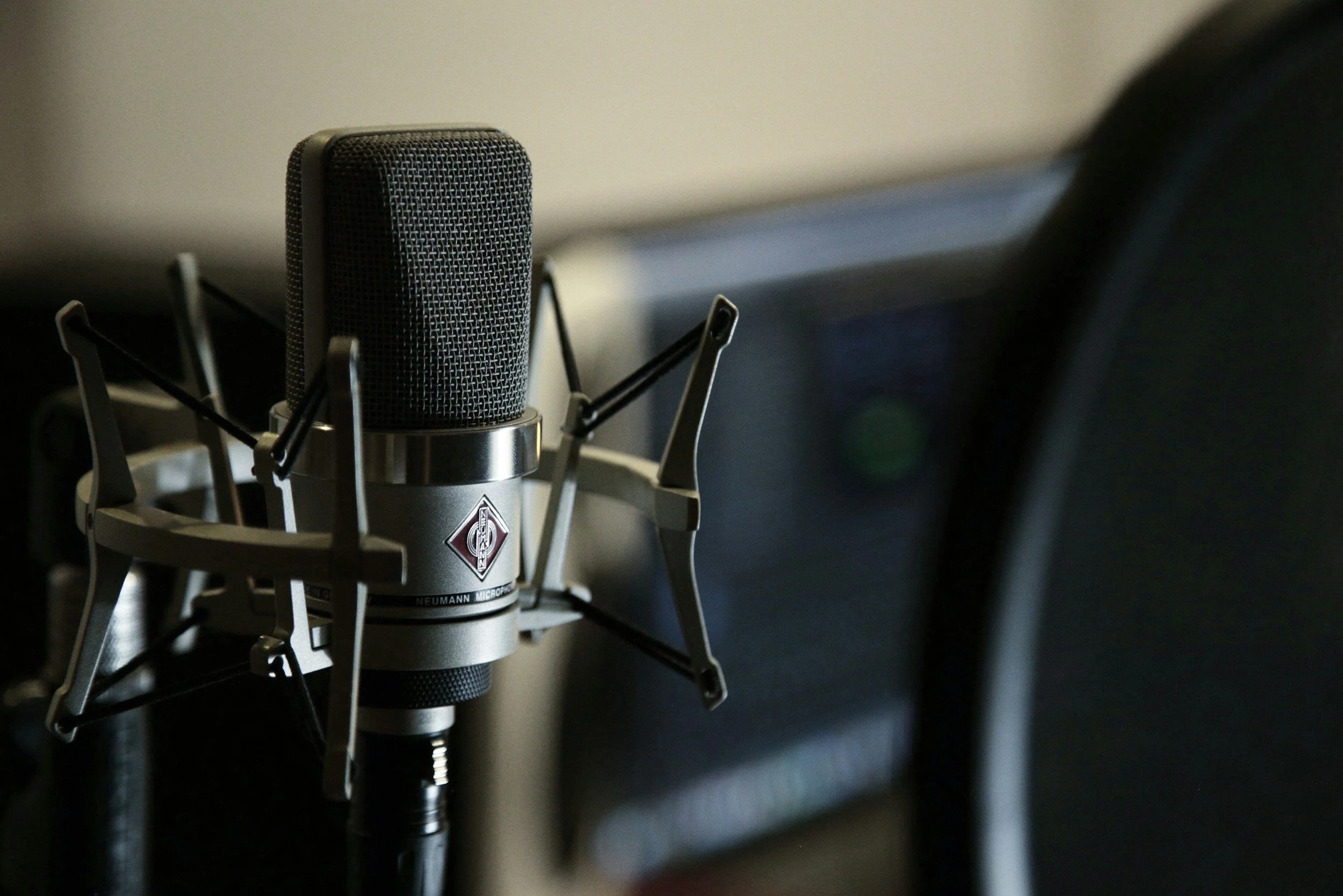
Essentials for Your Home Audiobook Studio Setup
Building a home audiobook studio setup starts with the basics: a quiet space, reliable gear, and software that handles recording and editing seamlessly. In 2025, advancements in affordable tech mean you can assemble a functional rig for under $500, focusing on voice capture over music production complexities.
First, choose your room wisely—a closet or small bedroom minimizes external noise. For acoustics, DIY solutions shine: Hang heavy blankets or use moving pads as baffles to absorb echoes, costing as little as $20-50. Add affordable foam panels from brands like Auralex (around $30 for a pack) to treat walls and ceilings, reducing reverb without professional installation. A simple PVC pipe frame with quilts can create a portable vocal booth for under $100, ideal for budget-conscious setups.
Your computer is the hub—any modern laptop with at least 8GB RAM and a solid-state drive will suffice for narration. Free DAWs like Audacity or Reaper handle editing, while paid options like Adobe Audition ($20/month) offer advanced features for pros. This foundation sets you up for success, turning a spare corner into a productive studio.
Budget Microphones: The Heart of Your Recording Setup
The microphone is crucial for capturing warm, clear vocals in any cheap audiobook recording setup for 2025. Skip high-end models; budget options deliver excellent results for spoken word.
The Audio-Technica AT2020 ($99) is a top pick—a large-diaphragm condenser mic that provides professional clarity with low self-noise, perfect for audiobook narration. For even cheaper, the Fifine K669B USB mic ($30) offers plug-and-play convenience with cardioid pickup, reducing background noise effectively. Dynamic mics like the Shure SM58 ($99) are rugged and great for beginners, handling plosives well without a pop filter.
USB mics simplify setups—no interface needed—making them ideal for DIY audiobook studios on a budget. Pair with a shock mount ($10-20) to minimize vibrations, and you're set for hours of recording. Test in your space; aim for a mic with a frequency response favoring mid-range vocals (100Hz-15kHz) to ensure natural sound.
Affordable Audio Interfaces and Monitoring
An audio interface bridges your mic and computer, ensuring low-latency monitoring essential for pro sound. In 2025, budget models abound.
The PreSonus Studio 24c ($150) is a standout, with two inputs, phantom power, and solid preamps for clean recordings. Cheaper still, the Focusrite Scarlett Solo ($120) offers excellent value, supporting XLR mics and direct monitoring to eliminate delay. If using a USB mic, skip this—save the cash for other gear.
For monitoring, closed-back headphones like Audio-Technica ATH-M20x ($50) provide accurate playback without bleed. Add budget studio monitors such as Kali Audio LP-6 ($150/pair) for mixing; they deliver flat response crucial for spotting issues in narration. Position monitors at ear level, forming an equilateral triangle with your seat, to optimize soundstage.
DIY Soundproofing and Acoustic Treatment on a Budget
Soundproofing is key to a quiet home audiobook studio setup, and DIY methods keep costs low. Start with weatherstripping ($10) on doors and windows to block external noise. For walls, use mass-loaded vinyl sheets ($50/sheet) or affordable acoustic blankets hung like curtains.
Acoustic treatment absorbs internal echoes: Craft panels from rockwool insulation wrapped in fabric ($20-30 each) or buy budget foam wedges ($25/pack). Place them strategically—behind the mic and on reflections points—to tame reverb. A rug or carpet ($50) on the floor and bookshelves as diffusers add free absorption.
For a portable booth, repurpose a wardrobe with foam lining—a classic DIY audiobook studio hack on a budget. Test with claps; aim for a decay under 0.5 seconds. These tweaks yield pro sound without expensive builds.
Essential Accessories for Your Budget Setup
Don't overlook accessories that polish your recordings. A pop filter ($10) like the Dragonpad prevents plosives, while a mic stand or arm ($20-40) positions your mic optimally—6-8 inches from your mouth.
An isolation shield ($30) reflects sound away, enhancing dryness in untreated rooms. For power, a surge protector ($15) protects gear. Add a tablet or stand for scripts to avoid page turns—free apps like PromptSmart ($20/year) scroll automatically.
Budget cables (XLR or USB, $10) ensure reliable connections. These small investments elevate your cheap audiobook recording setup in 2025 to professional levels.
Software and Editing Tools for Audiobook Production
Software ties it all together. Free Audacity excels for beginners, with noise reduction and normalization plugins. For advanced editing, Reaper ($60) offers unlimited tracks and customization.
In 2025, AI tools like Auphonic (free tier) automate mastering, leveling to ACX standards. Use iZotope RX Elements ($29) for de-noising mouth clicks. Organize sessions with chapter markers for easy export.
Practice workflows: Record in mono at 44.1kHz/24-bit, edit breaths, and master to -18 to -23 dB RMS. These tools make post-production efficient on a budget.
Tips to Optimize Your DIY Audiobook Studio
Maximize your setup with best practices. Record during quiet hours, using a noise gate in software to cut background hum. Warm up vocals to maintain consistency—hydrate and do exercises.
Test gear: Run pilot recordings and check on multiple devices. Upgrade incrementally—start with mic and interface, add acoustics later.
Budget total: Under $300 for basics (mic, headphones, software); $500 for full rig including interface and treatment. Join communities like Reddit's r/audiobooks for tips. With these, your DIY studio delivers pro sound affordably.
Conclusion: Achieve Studio-Quality Audio at Home
Creating a budget home audiobook studio gear setup unlocks pro sound without lavish spending. By focusing on essentials like mics, interfaces, and DIY acoustics, your cheap audiobook recording setup in 2025 can produce bestseller-worthy narrations. Start small, iterate, and watch your productions soar.
Ready to build your budget studio but need expert advice? Sounds and Such offers affordable audiobook production services, including gear recommendations and DIY setup guidance—contact us today to unlock pro sound at home!