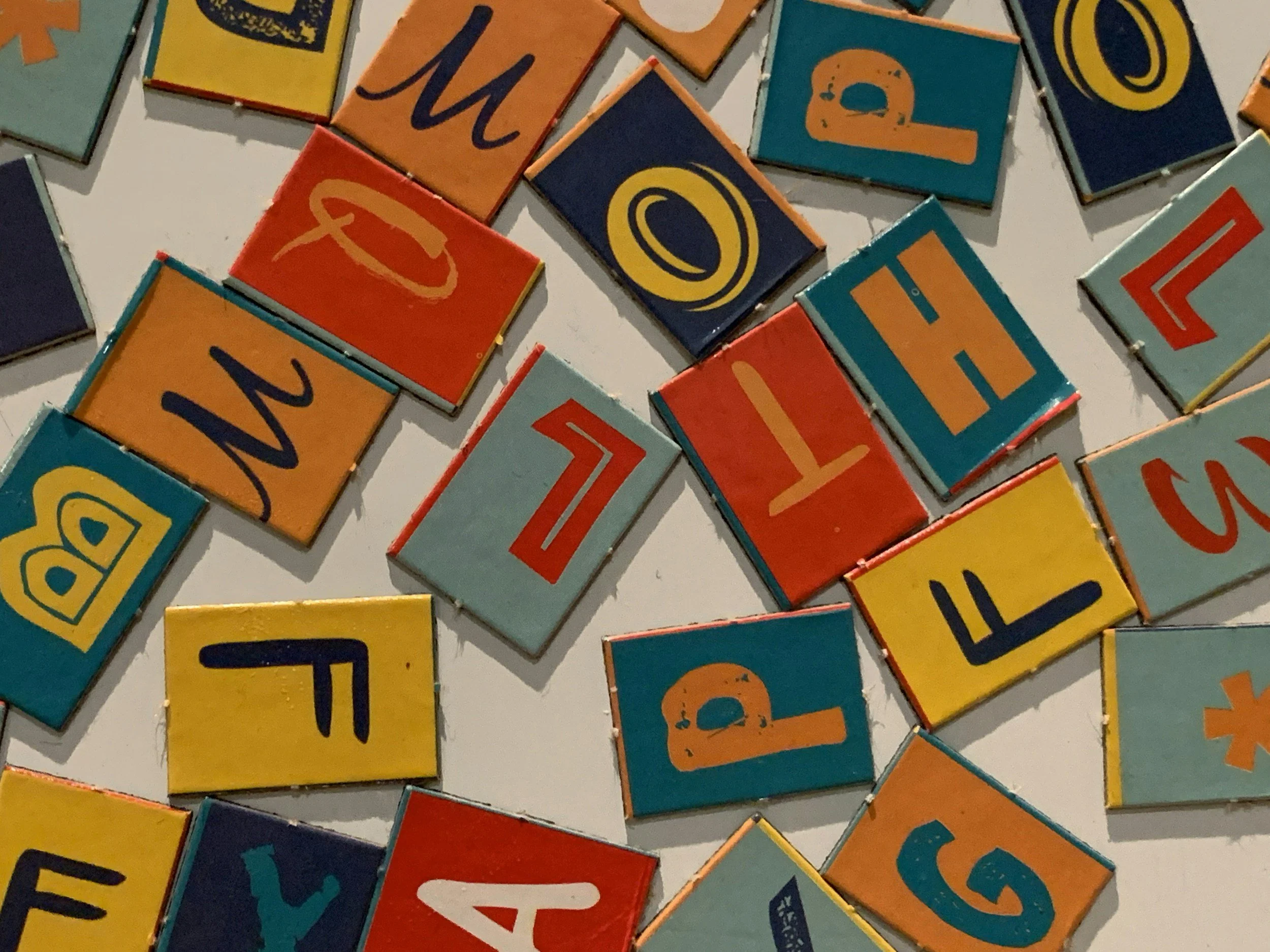
There is a particular kind of fatigue that has little to do with how late the hour is. It is the fatigue of a capable mind working against an alphabet that will not stay still. A child with dyslexia can follow a conversation, tell a story, grasp a plot twist—and still come to the page as if the letters had been rearranged overnight. The difficulty is not a lack of intelligence. It is a bottleneck in the machinery that turns print into language. Audiobooks do not remove that bottleneck by magic. They route around it, the way a well-placed path routes around a marsh, so the traveler can still reach the same destination.
That is the practical heart of audiobooks’ dyslexia benefits. Used with care, they support students who decode slowly, they keep grade-level ideas within reach, and they restore something schools too often treat as optional: the experience of being a reader among readers.
What Dyslexia Asks of the Reader
Dyslexia is commonly described as a difficulty with accurate and fluent word recognition, typically rooted in phonological processing. The student is not “lazy.” The brain is working harder than a typical reader’s to map letters to sounds and hold those mappings long enough to assemble a sentence. By the time the sentence is assembled, the beginning of the paragraph has already begun to fade.
Comprehension, then, is not the first problem. It is the casualty. Cognitive resources spent on decoding are resources not spent on inference, vocabulary in context, or the simple pleasure of finding out what happens next. Over years, that imbalance produces a second injury: the student meets fewer words, fewer complex sentences, fewer books. The gap is not only skill. It is exposure.
Audiobooks support dyslexia students by changing the order of operations. Language arrives already assembled. The listener can attend to meaning while, separately and on another schedule, working on the code with structured literacy instruction. The two tracks are not rivals. They are different kinds of work.
How Listening Can Improve Reading Skills
It is reasonable to ask whether listening “counts.” When decoding is automatic, the comprehension processes involved in reading and listening to narrative are closely related. The difference, for a dyslexic student, is that listening does not demand that the code be solved first. The student can practice the higher-order work of understanding while the lower-order work is still under construction.
Pairing audio with print—sometimes called ear reading or immersion reading—adds a second channel. The eye tracks highlighted words while the ear hears fluent phrasing. Over time, that pairing can support word recognition and a feel for how written language is supposed to sound: where a sentence breathes, which words carry stress, how a question lifts. A 2010 study of adolescents with dyslexia who used audiobooks for school and leisure texts found improved reading accuracy after several months, along with better school performance and fewer signs of unease. A more recent MIT trial found vocabulary gains from text-synchronized audiobooks, with struggling readers benefiting most when listening was paired with explicit instruction rather than left to chance.
None of this means an audiobook replaces phonics. It means the student is no longer asked to wait for perfect decoding before being allowed to think.
Access to grade-level language matters as much as any single score. A fifth grader stuck in a simplified reader is not only practicing easier words. That student is missing the vocabulary and syntax of the books peers are discussing. Hearing those books—thousands of words in context over a year—is one of the quieter ways audio can improve reading skills. Comprehension later depends on the words you already know.
Confidence Is Not a Soft Extra
Shame is an efficient teacher of avoidance. A student who has been asked to read aloud and failed, or who finishes last every time, learns to hide. Confidence-building in dyslexia education is not a poster on the wall. It is the repeated experience of keeping up.
When the same novel is available in audio, the student can arrive at class discussion having met the characters. Participation stops being a performance of decoding and becomes a conversation about the story. Motivation often follows. In the adolescent study mentioned above, students using audiobooks showed greater involvement in school activities—not because the format was fashionable, but because the work had become possible.
There is also the private benefit of finishing a book. For a child who has rarely reached the last page without exhaustion, completion is evidence. It does not cure dyslexia. It contradicts the story that reading is something other people do.
What Works in Practice
The research is consistent on one point that practitioners already know: audiobooks work better as part of a plan than as a leftover. Structured literacy continues. Audio is the bridge to content and language.
Use human-narrated recordings when you can, especially for literature; the phrasing models what print is trying to do. Follow along in the text when the goal includes print skills. Keep sessions purposeful and finite—twenty focused minutes with a question to answer beats an hour of half-attention. For textbooks and assigned novels, services designed for print disabilities (and the accommodations written into an IEP or 504 plan) exist because this is recognized assistive technology, not a shortcut.
Expository text is harder in any format. Narrative often yields clearer comprehension gains from listening. That is not a reason to avoid science or history in audio; it is a reason to add more scaffolding there—previewing vocabulary, pausing to recap, checking understanding before moving on.
Families and teachers sometimes worry that audio will become a permanent substitute. The better frame is temporary and complementary: use audio so the student is not starved of language while decoding instruction does its slower work. Many students continue to use audio for dense material even as print skills improve, the way anyone might listen to a long nonfiction book on a commute. The goal is literacy in the broad sense—access to written language—not a purity test about the eyes.
Limits Worth Naming
Audiobooks are not a complete intervention. They do not teach phoneme-grapheme mapping. Gains are uneven when listening is unstructured, and they depend on whether the student actually attends. Socioeconomic context, baseline skill, and the quality of surrounding instruction all matter. A file on a device is not a pedagogy.
They also do not erase the social world of school. Peers may still treat “listening” as lesser unless adults say, plainly, that this is how this student reads right now—and that reading is the point.
A More Accurate Picture of the Reader
If we think of reading only as the eyes on the page, we will keep measuring a dyslexic student by the narrowest part of the task. If we think of reading as getting language from a text into a mind, then audio is not a consolation prize. It is one of the tools that keep the mind fed.
The educational benefits of audiobooks for dyslexia are, at bottom, about time and dignity. Time not spent locked on a single paragraph. Dignity in meeting the same stories, the same ideas, the same conversations. Improve the interface, and the intelligence that was there all along has somewhere to go.
For families and educators who want professionally produced narration—clear, human, and built for listeners who need every word to land—Sounds and Such offers audiobook production from recording through finished files. Visit soundsandsuch.com if you are looking for audio that treats the listener as a reader, not an afterthought.