Hey there, fellow audio enthusiasts and narration ninjas! If you've ever listened back to your audiobook recording and thought, "Why does this whisper sound like a shout, and that dramatic pause feels like a black hole of silence?"—welcome to the wild world of dynamics. Compression for audiobook dynamics is the unsung hero that keeps your listeners hooked without reaching for the volume knob every five seconds. In a market where audiobooks are exploding—think over $2 billion in U.S. sales alone as of 2026 stats from the Audio Publishers Association—delivering polished, consistent audio isn't just nice; it's essential. We're diving deep into compression audiobook dynamics here, with a practical audiobook compression settings guide to get you started, tips to tame dynamics in narration without squashing your performance, and even volume audio tips that'll make your tracks flow like a well-edited story. Whether you're an indie narrator recording in a closet booth or a producer polishing pro sessions, these insights will help you stand out in a sea of uneven listens. Let's compress those peaks and valleys into something smooth, professional, and binge-worthy—without turning your voice into a robotic monotone.
Dynamics in audio refer to the range between your quietest whispers and loudest exclamations. In audiobooks, where immersion is key, wild swings can jolt listeners out of the story—like a plot twist no one asked for. Compression tames that range, ensuring even playback across devices, from earbuds on a jog to car speakers in traffic. Done right, it preserves your narration's emotional punch while meeting platform specs (hello, ACX's strict -23 to -18 dB RMS requirements). Overdo it? Your audio sounds flat, like a deflated balloon. Underdo it? Peaks clip, and valleys vanish. The goal? Balance that lets your voice shine naturally.
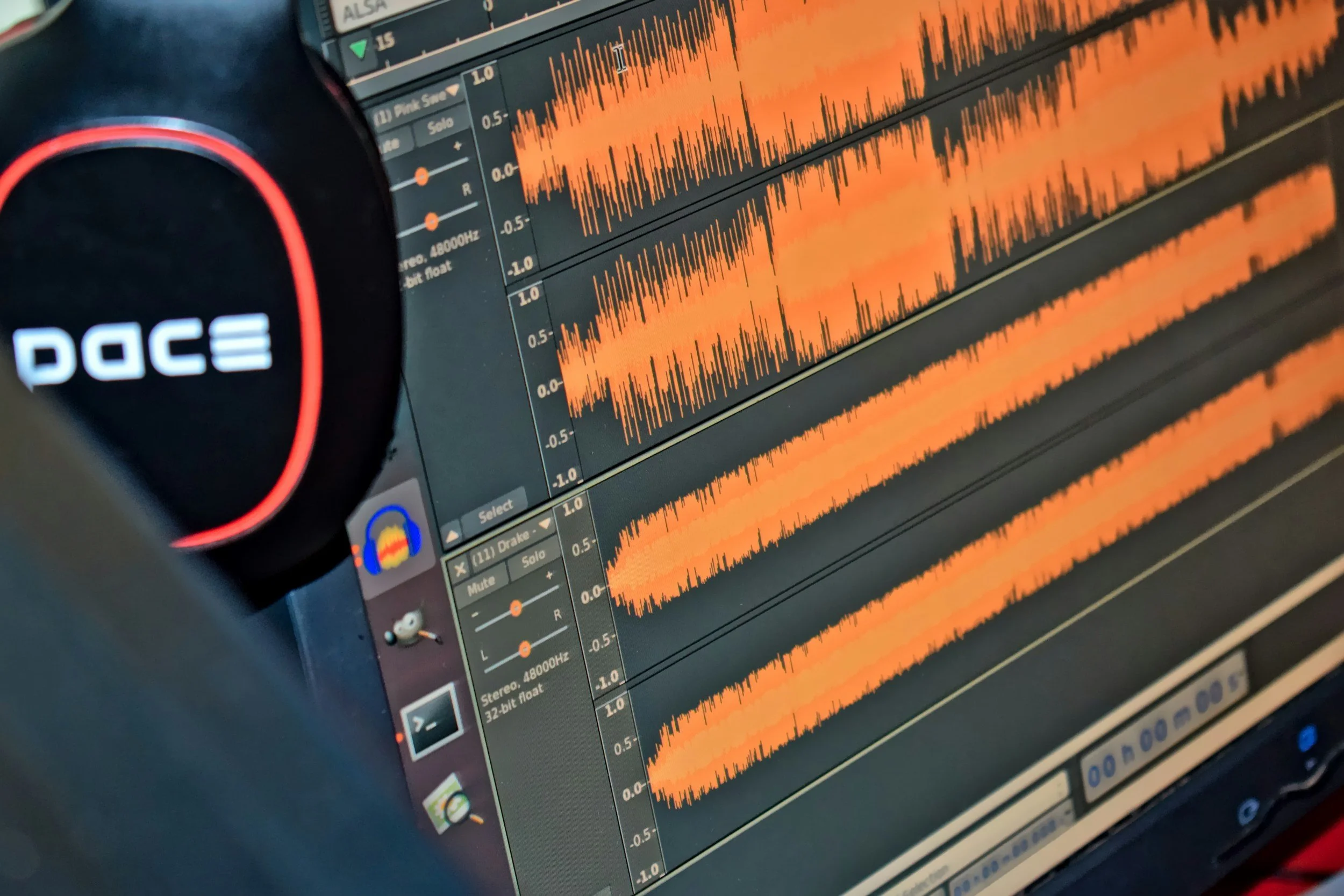
Understanding Compression Basics: The What and Why
Before we geek out on settings, let's break down compression audiobook dynamics 101. Compression is an audio effect that reduces the volume of loud sounds (above a threshold) by a ratio, then boosts overall gain to even things out. Key parameters: Threshold (level where compression kicks in, e.g., -20 dB), ratio (how much it squashes, like 4:1 means 4 dB over threshold becomes 1 dB), attack (how fast it reacts, 5-20 ms for voice), release (how quickly it lets go, 50-200 ms), and makeup gain (boosts post-compression volume).
Why bother for audiobooks? Narration isn't rock music—it's intimate storytelling. Tame dynamics narration ensures whispers are audible without cranking volume, and shouts don't blast eardrums. In 2026, with smart assistants like Alexa integrating audiobooks, consistent dynamics prevent "Hey Siri, turn it down!" interruptions. Even volume audio tips start here: Compression evens peaks/valleys, making your book binge-friendly across noisy environments.
Common myth: Compression kills emotion. Nope—subtle use preserves nuance. Think of it as a vocal seatbelt: Keeps things safe without restricting movement. For indies, free tools like Audacity make it accessible—no fancy studio required.
Funny aside: I once skipped compression on a thriller narration. The villain's roar peaked so hard, it scared my cat mid-listen. Lesson? Compress or confess to pet therapy bills.
Audiobook Compression Settings Guide: Start Here
Ready for the audiobook compression settings guide? These are realistic starting points—tweak based on your voice (deeper tones need less low-end cut; brighter ones, careful highs).
First, software: Use DAWs like Reaper ($60) or free Audacity. Plugins? Built-in compressors work; pros love FabFilter Pro-C 2 ($169).
Basic settings for narration:
Threshold: -24 to -18 dB. Lower for aggressive taming; higher for natural dynamics.
Ratio: 4:1 to 8:1. 4:1 subtle; 8:1 evens heavy swings.
Attack: 5-15 ms. Fast catches peaks without pumping.
Release: 100-300 ms. Smooth recovery avoids breathing artifacts.
Knee: Soft (0.5-1) for natural transitions.
Makeup Gain: Auto or +3-6 dB to match input levels.
For multiband compression (advanced but audiobook gold), split frequencies: Lows (below 200Hz) light ratio (2:1) for warmth; mids (200-5kHz) 4:1 for clarity; highs (above 5kHz) gentle to avoid sibilance.
Tame dynamics narration tip: Process in stages—light compression during recording, heavier in post. Aim for 6-10 dB reduction on peaks. Test on full chapters—settings that work on tests might pump on long reads.
In practice: For a warm female voice, threshold -20 dB, ratio 6:1, attack 10 ms, release 150 ms. Male baritone? Bump threshold to -22 dB for depth.
Funny trial: Set ratio too high (20:1)—sounded like a news anchor on helium. Dial back for breathable audio.
Tame Dynamics Narration: Techniques for Natural Flow
Taming dynamics isn't just sliders—it's art. Tame dynamics narration by blending compression with performance. Record with consistent mic distance (6-8 inches) to minimize swings—closer boosts lows, farther thins.
Even volume audio tips: Use automation—draw volume curves in your DAW to manually tame peaks before compressing. This preserves feel—compress less overall.
For emotional scenes: Light compression (3:1) keeps intensity; heavy on shouts prevents clipping. Multi-character books? EQ/compress per voice—brighter for kids (boost 3kHz lightly), deeper for elders (cut highs).
Realistic chain: De-ess first (tame "s" at 5-8kHz), then compress, then limit (-6 dB ceiling) for safety.
Peerless QC tip: Listen at low volumes—if whispers vanish, boost makeup; at high, if distorting, lower threshold.
Funny dynamic disaster: Narrated a whisper-shout scene without taming—playback swung like a pendulum. Post-compression saved it, but ears rang.
Even Volume Audio Tips: Beyond Compression
Compression's great, but even volume audio tips extend to the full chain. Gain staging: Keep input -18 dB peak to avoid clipping pre-compression.
Normalization: Post-compress, normalize to -16 LUFS (streaming standard) using tools like Youlean Meter.
Multiband for precision: Tame lows separately to avoid pumping from bassy words.
Vocal riding: Manual volume adjustments pre-compression for ultra-evenness.
In 2026, AI like Adobe's Enhance Speech auto-compresses—great starter, but tweak for personality.
Funny even-tip: Over-normalized? Sounds shouted. Under? Whispery. Balance is key—like Goldilocks, but for audio.
Common Mistakes and How to Avoid Them
Pitfalls abound in compression audiobook dynamics. Over-compression: Flat, lifeless—avoid ratios above 10:1; monitor gain reduction (under 6 dB average).
Pumping/breathing: Fast attack/release artifacts—lengthen release, soften knee.
Ignoring context: Settings for headphones differ from speakers—test both.
Under-compressing: Peaks clip—set threshold conservatively.
Funny mistake: Compressed too hard—voice sounded like a squeezed lemon. Undo, breathe, retry.
Realistic tip: A/B compare compressed vs. raw—ensure it enhances, not alters.
Advanced Compression Tricks for Pros
Level up your audiobook compression settings guide with parallels: Multi-compressors in series—light first (2:1), then heavier (6:1) for control without squash.
Sidechain: Duck music under voice—narrator always stars.
Optical emulation: Plugins like LA-2A for smooth, musical compression—vintage warmth for literary fic.
In 2026, machine learning in plugins like FabFilter adapts to voice—set and forget for consistency.
Tame dynamics narration advanced: Vocal rider plugins auto-adjust volume pre-compression—hands-free evenness.
Funny pro perk: Once mastered, compression feels like autopilot—until a cough sneaks in. Edit those out!
Wrapping It Up: Your Compressed Masterpiece Awaits
There you have it—a snarky yet practical romp through compression guide for audiobook dynamics, loaded with an audiobook compression settings guide to get you compressing like a boss, ways to tame dynamics narration without losing soul, and even volume audio tips for that pro polish. In September 2026's audio boom, mastering compression turns good narration into great listens—consistent, engaging, and ready for binge sessions. Your voice deserves dynamics that dazzle; compress wisely, and watch listeners flock.
And if compression curves feel like wrestling audio alligators, why not let Sounds and Such handle the heavy lifting? We specialize in compression, dynamics taming, and full audiobook production to make your narration even and exceptional without the hassle.