Pop Filter Guide for Audiobooks: Beat Plosives
Oh, hello there, you fabulous audiobook enthusiast! Picture this: You're in your makeshift home studio, channeling your inner storyteller, pouring out that dramatic chapter where the hero finally confronts the villain, and then—bam!—a big ol' "P" sound blasts through like a fireworks explosion in your earbuds. Yikes! Those pesky plosives are the uninvited party crashers of narration, turning your silky-smooth voice into something that sounds like it's popping corn mid-sentence. But fear not, because we're diving headfirst into this pop filter guide for audiobooks, where we'll beat those plosives into submission and make your recordings sparkle like a disco ball at a book club. If you're hunting for the best pop filter for audiobook mic, some reduce plosives narration tips that actually work, or just a quirky audiobook accessories guide to level up your setup, buckle up! We'll zip through it all with easy steps, a dash of whimsy, and zero technical jargon overload—because who has time for that when there's storytelling to do? Let's make your audio as crisp as fresh lettuce in a salad bar!
I mean, seriously, audiobooks are like magic spells whispered right into someone's brain while they're jogging or folding laundry. But nothing kills the vibe faster than a plosive punch—those "p," "b," "t," and "k" sounds that whoosh air straight at your mic like a tiny hurricane. With the right pop filter and a few clever tricks, you'll banish them forever and sound like a pro without breaking the bank or your spirit. Ready? Let's pop to it!
What Are Plosives Anyway? (And Why They Love Ruining Your Day)
Okay, let's start with the basics, because knowledge is power—or at least, it's the key to not sounding like you're narrating underwater. Plosives are those explosive consonant sounds that happen when your mouth blasts a puff of air, like saying "pop" or "book" with too much gusto. In audiobook narration, they hit your microphone like a mini windstorm, creating that low-frequency thump or distortion that makes listeners wince and hit pause. Eek! It's especially sneaky in close-mic setups, where you're cozied up to capture every nuance of your voice, but instead, you get a boom that echoes like thunder in a teacup.
Why do they matter so much for audiobooks? Well, darling, your audience is all about immersion—they want to feel like they're right there in the story, not distracted by audio gremlins. A single plosive can pull them out faster than a plot twist gone wrong. Plus, platforms like ACX have strict quality checks; too many pops, and your submission gets bounced back quicker than a rubber ball. But here's the bubbly good news: With some reduce plosives narration tips, you can tame them. Think of plosives as mischievous puppies—adorable in theory, but they need training to behave. And that's where pop filters swoop in like superheroes with mesh capes!
One time, I was practicing a scene with a lot of "powerful princes" (try saying that five times fast), and without a filter, it sounded like I was in a popcorn factory explosion. Lesson learned: Plosives don't discriminate—they'll crash any party, but you can show them the door.
How Pop Filters Work Their Magic (No Wand Required)
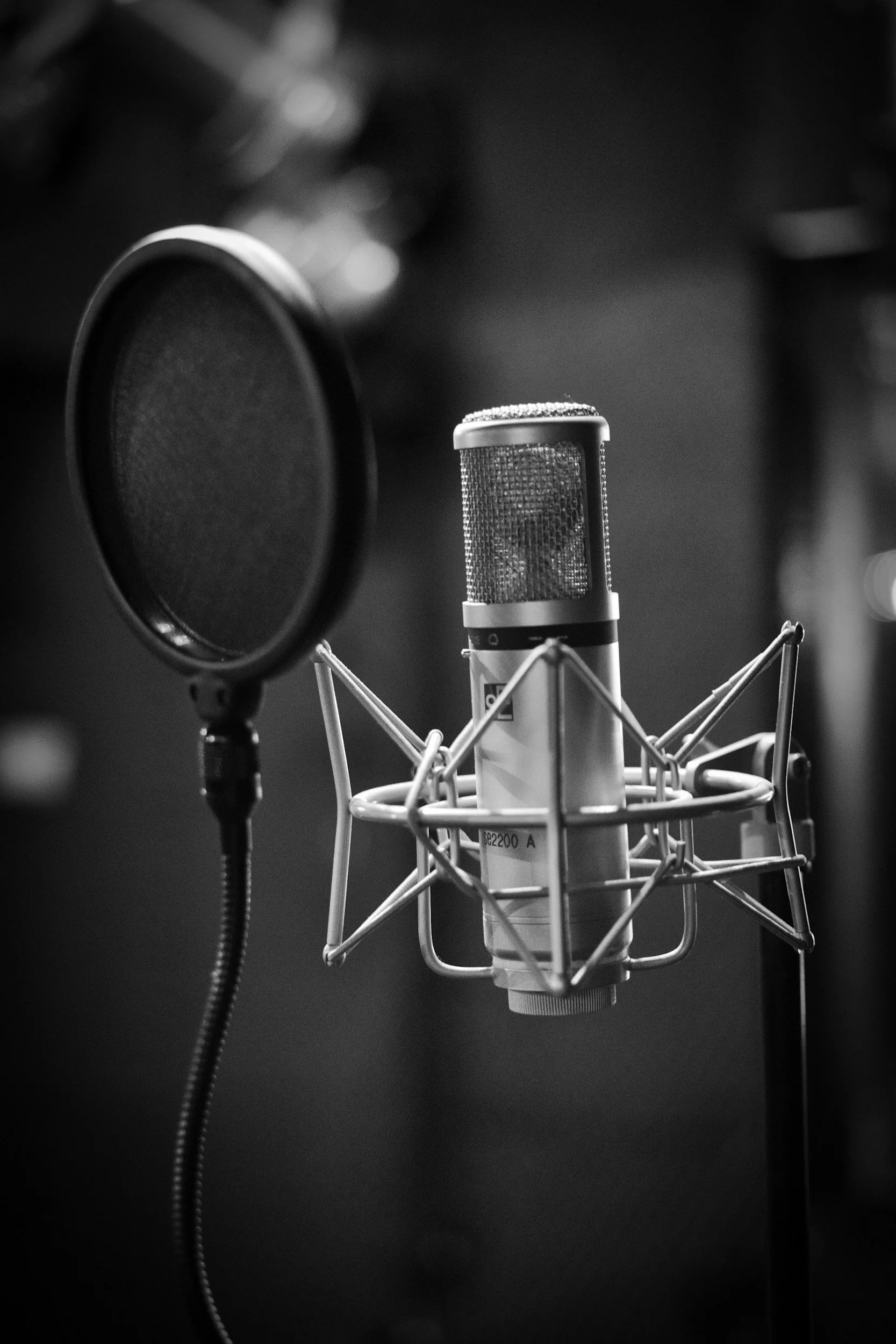
Alright, let's geek out a tiny bit on how these nifty gadgets do their thing, but I promise, no boring diagrams here—just fun facts with a side of sparkle! A pop filter is basically a thin screen (usually nylon or metal mesh) that sits between your mouth and the mic, acting like a gentle breeze blocker. When you hit those plosive sounds, the air blast hits the filter first, diffusing it into harmless little puffs instead of a full-on gust. It's like putting a strainer over a faucet—smooths everything out without stopping the flow.
For audiobook folks, pop filters are essential because narration often involves dynamic speaking—whispers, shouts, accents, you name it. They help maintain consistent audio quality, reducing those low-end rumbles so your voice shines through crystal clear. Plus, they're super easy to set up: Clamp one onto your mic stand, position it about 2-4 inches from the mic (and 4-6 inches from your mouth), and voila! You're ready to roll. In our audiobook accessories guide, pop filters top the list because they're affordable, portable, and make you feel like a real studio star without the Hollywood budget.
Quirky bonus: Some filters even come in fun colors or shapes—think round like a pizza or gooseneck for that flexible flair. It's like accessorizing your mic with a stylish scarf that also saves the day!
Picking the Best Pop Filter for Audiobook Mic (2026 Edition)
Now, the moment you've been waiting for: Let's talk shopping! Finding the best pop filter for audiobook mic doesn't have to be a treasure hunt. In 2026, options are plentiful, from budget beauties to pro-level picks. Based on the latest buzz from voice acting pros and audio reviews, here's a roundup that'll fit any wallet or whimsy.
First up, if you're splurging a bit (around $70), the Stedman Proscreen XL is a crowd-pleaser. It's got a large metal mesh screen that catches plosives like a dream, and its gooseneck arm bends every which way for perfect positioning. Narrators love it for long sessions because it stays put without wobbling like a tipsy penguin. For mid-range magic ($25), grab the Sterling Audio STPF2—nylon mesh, clamp-on design, and it folds flat for travel. It's sturdy yet lightweight, ideal for home studios where space is at a premium.
On the budget end ($10-20), the GOMILE Pop Filter or Aokeo models are fantastic starters. The GOMILE has double-layer mesh for extra pop protection, and it clips right on without fuss. Aokeo’s version fits mics bigger than 4cm and even works with popular audiobook mics like the Blue Yeti (though check compatibility—it's not a perfect match for every setup). Pros on forums rave about the Hakan P110 as the "current best" for serious narrators; it's premium but worth it if you're going pro.
When choosing, consider your mic type—condenser mics are plosive magnets, so opt for larger screens. And don't forget adjustability; a flexible arm lets you tweak angles without interrupting your flow. In 2026, eco-friendly options like those from Tzumi's ON AIR ProShield are gaining traction, with high ratings for reducing air spray while being kind to the planet. Whatever you pick, test it out—record a plosive-heavy phrase like "Peter Piper picked a peck of pickled peppers" and listen back. If it pops less, you're golden!
Reduce Plosives Narration Tips: Beyond the Filter
Pop filters are stars, but they're not solo acts! Let's layer on some reduce plosives narration tips to make your audiobook shine even brighter. First, mic placement is your secret weapon: Angle the mic 30-45 degrees off-axis from your mouth, so the air puff misses the capsule but your voice hits it head-on. It's like dodging a water balloon—simple but effective!
Distance matters too—keep 4-6 inches away to weaken those air blasts without losing warmth. Practice your technique: Speak across the mic, not straight into it, and warm up with tongue twisters to control your breath. For extra oomph, try the candle trick: Narrate in front of a lit candle until the flame stays steady—no flickering means no plosive winds!
In editing, tools like multiband compressors (try Waves C4) tame any stragglers by squashing low frequencies without flattening your voice. Or use spectral selection in Audacity to zap just the thumpy parts. For dynamic mics, they're naturally better at handling plosives, but if you're on a condenser, pair it with your filter for double defense. And here's a quirky hack: Stuff a pencil or chopstick across the mic grille—DIY diffusion on the fly!
Combine these with good hydration (dry mouths amp up pops) and room treatment (soft furnishings absorb echoes), and you'll narrate like a breeze—smooth and effortless.
Audiobook Accessories Guide: Must-Haves to Complement Your Pop Filter
While we're on a roll, let's expand this into a full audiobook accessories guide, because why stop at pop filters when there's a whole world of goodies? Think of these as your narration sidekicks, making sessions comfier and sound sweeter.
Headphones are key—over-ear models like Sony WH-1000XM4 (with noise-canceling magic) let you monitor plosives in real-time without distractions. For portability, wireless earbuds from BukSuk or Strapsicle keep you mobile during practice walks. A sturdy mic stand or boom arm (under $50) ensures your pop filter stays perfectly placed, no wobbles allowed.
Don't skip a reflection filter—curves around your mic to block room noise, pairing beautifully with your pop filter for pro-level clarity. And for fun flair, snag audiobook-themed merch like "Paused My Audiobook" stickers or enthusiast shirts to jazz up your space. In 2026, smart accessories like Passion Planner journals help track sessions, while LED lights from James Wax set the mood without adding hum.
For families or multi-listeners, whole-home speakers from the latest guides make playback testing a party. These extras turn your setup from basic to bubbly brilliant!
DIY Pop Filter Hacks: When Budget Meets Creativity
Feeling crafty? Whip up a DIY pop filter faster than you can say "plosive-proof"! Grab a wire hanger, bend it into a circle, stretch pantyhose or embroidery hoop fabric over it, and attach to your stand with zip ties. Voila—homemade hero for under $5! Or use a metal strainer from the kitchen (sanitize first, please). These work in a pinch, diffusing air like champs, though pros recommend upgrading for longevity.
Test your creation with that Peter Piper test—if pops vanish, pat yourself on the back. It's quirky, eco-friendly, and gives you major DIY bragging rights!
Wrapping Up Your Plosive-Beating Adventure
Whew, what a whirlwind of audio awesomeness! From understanding those sneaky plosives to snagging the best pop filter for audiobook mic like the Stedman or budget GOMILE, plus all those reduce plosives narration tips and our handy audiobook accessories guide, you're now armed to make your narrations pop-free and positively enchanting. Remember, it's all about that bubbly balance—filter up, angle right, and narrate with joy. Your listeners will thank you with rave reviews and endless binges!
And if taming plosives feels like herding kittens in a windstorm, why not let the experts at Sounds and Such lend a hand? As audio aficionados, we specialize in everything from pop filter setups to full audiobook production, ensuring your voice beats plosives without the hassle. We’re wizards at quirky, high-quality tweaks tailored for narrators like you.