In 2026 the audiobook industry continues its explosive growth, with non-fiction titles leading the charge in a market projected to surpass $25 billion globally, fueled by AI enhancements and demand for educational content. In this evolving landscape, sound effects for non-fiction audiobooks offer a subtle way to elevate narration, transforming dry facts into immersive experiences without overwhelming the core message. Unlike fiction's dramatic flourishes, non-fiction benefits from understated audio elements that reinforce key ideas and maintain listener focus. This post explores subtle sound effects for non-fiction audiobooks, shares ways to add ambient sounds to audiobooks, and provides a non-fiction narration effects guide for 2026. Whether you're an indie author producing your memoir or a producer crafting self-help guides, these tips—drawn from industry best practices—will help you integrate effects tastefully, ensuring your audio stands out on platforms like Audible while adhering to quality standards.
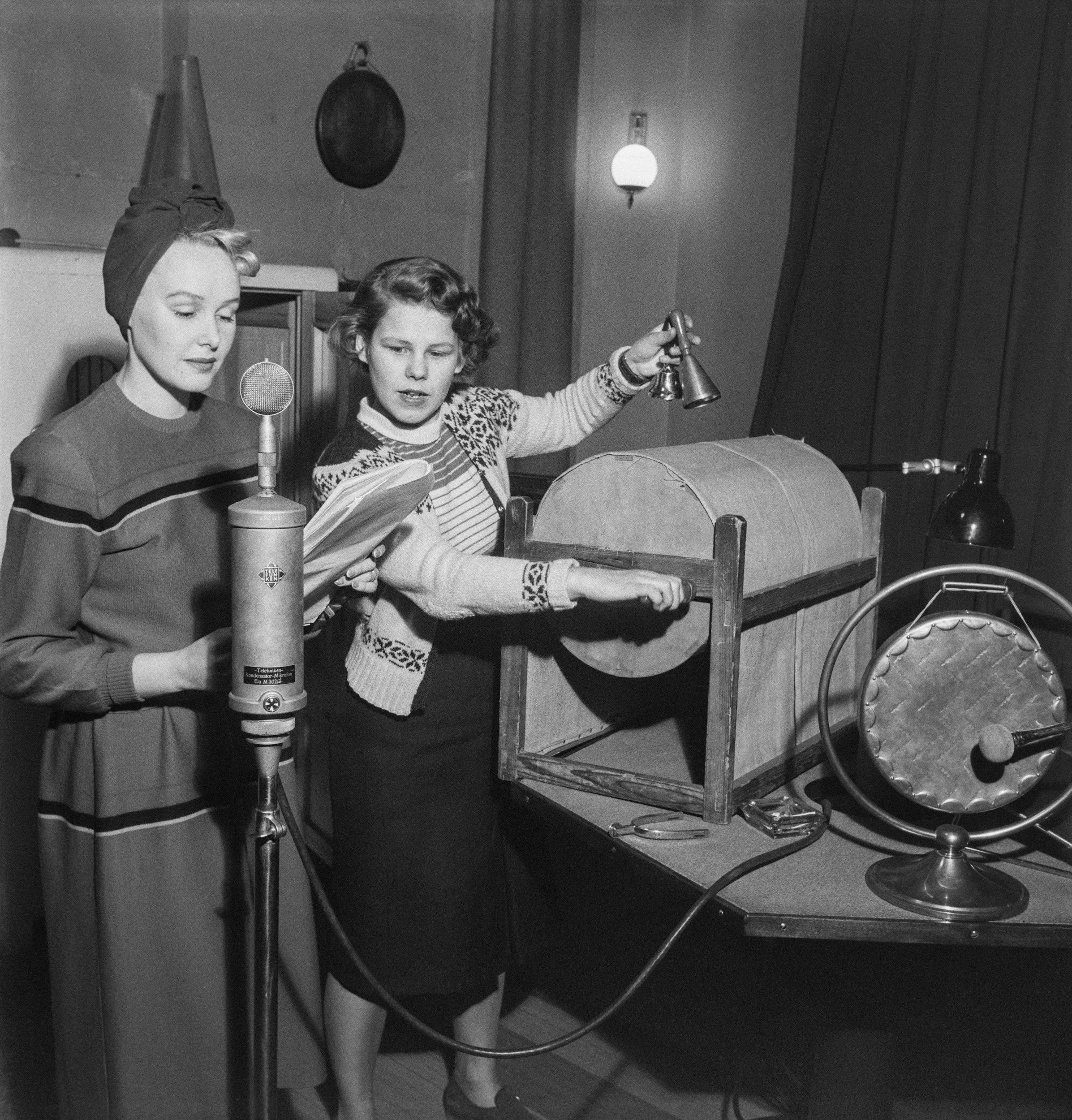
The Role of Sound Effects in Non-Fiction Audiobooks
Sound effects in non-fiction audiobooks serve as subtle enhancers, adding depth to factual narratives without stealing the spotlight from the content. Unlike fiction, where dramatic SFX like thunderclaps or footsteps drive the plot, non-fiction effects are understated—think gentle chimes for key takeaways or faint ambient tones to underscore transitions. In 2026, with listeners increasingly seeking "edutainment" through podcasts-turned-audiobooks, these elements can boost retention by 20-30%, as they mimic real-world learning environments like lectures or documentaries.
Why use them? Subtle effects combat listener fatigue in dense topics like history or business, providing auditory cues that signal shifts or emphasize points. For instance, a soft page-turn sound might introduce a new chapter in a biography, evoking the feel of a physical book. However, overdoing it risks distraction—non-fiction prioritizes clarity, so effects should support, not supplant, the narration. Platforms like Audible now favor "enhanced" non-fiction with tasteful audio layers, but guidelines stress subtlety to avoid rejection. As AI tools make production accessible, understanding this role ensures your audiobooks feel polished and purposeful, appealing to a market where 40% of listens are non-fiction.
Subtle Sound Effects for Non-Fiction Audiobooks: Choosing and Implementing
Subtle sound effects for non-fiction audiobooks should be purposeful, brief, and low-volume, enhancing the narrative without pulling focus. Start by selecting effects that align with the theme: For a travel memoir, faint ocean waves or distant birds can evoke settings; in a science book, soft beeps might highlight experiments. Keep them under 5 seconds and at -20 dB below narration to blend seamlessly.
Implementation tips: Use DAWs like Adobe Audition or Reaper to layer effects precisely—fade in/out for natural transitions. Place them at key moments: A gentle tone after a profound quote in a self-help book reinforces the message. Avoid clichés—opt for custom or royalty-free libraries like Epidemic Sound for unique, high-quality options. In 2026, AI generators like ElevenLabs can create bespoke effects from text prompts, tailoring to your content. Test with beta listeners: Ensure effects add value without distracting—aim for "barely noticeable but enhancing." This approach keeps non-fiction authentic, using subtlety to grip without gimmicks.
How to Add Ambient Sounds to Audiobooks: Enhancing Immersion
To add ambient sounds to audiobooks, focus on low-key layers that create atmosphere without overpowering the voice. Ambient effects like soft rain for reflective chapters in a philosophy book or distant traffic for urban histories provide context, making facts feel vivid. In non-fiction, keep them looped subtly at -30 dB or lower, fading during dialogue to maintain clarity.
Steps: Source from free libraries like Freesound.org or paid ones like Pond5, ensuring commercial licenses. In your DAW, create a separate track for ambients, using automation to dip volumes during key narration. For 2026 trends, AI tools can generate custom ambients—e.g., "quiet library hum"—blending seamlessly. Balance is key: Ambients should evoke without narrating—test mixes on headphones and speakers to avoid muddiness. This method enhances immersion, turning data-driven books into sensory journeys that retain listeners longer.
Non-Fiction Narration Effects Guide in 2026: Trends and Best Practices
A non-fiction narration effects guide in 2026 highlights emerging trends like AI-customized SFX and hybrid productions, where effects personalize learning. With platforms encouraging "enhanced audio," effects will focus on educational value—e.g., subtle chimes for quizzes in how-to books.
Best practices: Limit to 2-3 effects per chapter to avoid overload; align with content themes for relevance. Use music sparingly—short, ambient intros at -15 dB to set tone without distracting. For biographies, incorporate era-specific sounds like typewriter clicks for historical feel. Legal note: Ensure all effects are licensed; royalty-free packs from AudioJungle suffice. Test for accessibility—effects shouldn't impede comprehension for hearing-impaired listeners. In 2026, expect AI analytics to suggest effects based on listener data, optimizing engagement. This guide positions your non-fiction for future success, blending subtlety with innovation.
Tools and Software for Adding Effects
Tools like Adobe Audition or GarageBand simplify integration—use multitrack for layering, with EQ to carve space for narration. Free options like Audacity work for basics, while AI platforms generate custom sounds. Libraries: Bensound for music, Freesound for SFX. Automate fades to blend naturally.
Common Mistakes and How to Avoid Them
Avoid overusing effects—stick to subtle; test volumes to ensure they don't compete with voice. Don't ignore genre fit—non-fiction shuns dramatic SFX. License all audio to evade legal issues.
Conclusion: Elevate Your Non-Fiction with Subtle Audio
Incorporating sound effects for non-fiction audiobooks through these subtle tips transforms factual content into engaging listens. By mastering subtle sound effects for non-fiction audiobooks, learning to add ambient sounds to audiobooks, and following a non-fiction narration effects guide in 2026, you'll create audio that resonates. As the industry evolves, embrace subtlety for impact. Start experimenting—what effect will you try first?
If you're adding sound effects to your non-fiction audiobook and need pro guidance, Sounds and Such specializes in subtle SFX integration, ambient sound addition, and narration effects for 2026 trends—contact us today to tip your audio to perfection!