Wired vs. Wireless Mics for Audiobooks: Pros & Cons
Oh, hello there, you intrepid audiobook auteur. If you're hunkered down in your makeshift recording booth—aka the coat closet you've soundproofed with old towels and sheer willpower—staring at a tangle of cables or eyeing that sleek wireless gadget like it's the future of freedom, welcome to the eternal debate: wired vs wireless mics for audiobooks. It's the kind of choice that can make or break your narration game, turning your velvety voice into crystal-clear magic or a staticky mess that has listeners hitting "return" faster than you can say "unabridged." We're diving into the wired vs wireless mics audiobooks showdown here, with a cheeky look at wireless mic audiobook pros cons, tips on the best mic type for narration, and that classic audiobook mic freedom vs fidelity tug-of-war. Because let's face it: In a world where your audience is jogging, folding laundry, or pretending to work while binge-listening, your mic setup is the unsung hero (or villain) of the story. I'll break it down with pros, cons, and enough snark to keep you from dozing off mid-read. Grab your coffee—decaf if you're jittery about decisions—and let's untangle this audio conundrum.
Choosing the right mic isn't just tech nerdery; it's about making your voice the star without the drama of dropouts or hisses. In 2026's booming audiobook scene (with sales topping $2 billion, per industry whispers), standing out means sounding pristine. But wired or wireless? It's like picking between a reliable old station wagon and a flashy convertible—both get you there, but one might leave you windswept and the other stuck in traffic. Let's dissect.
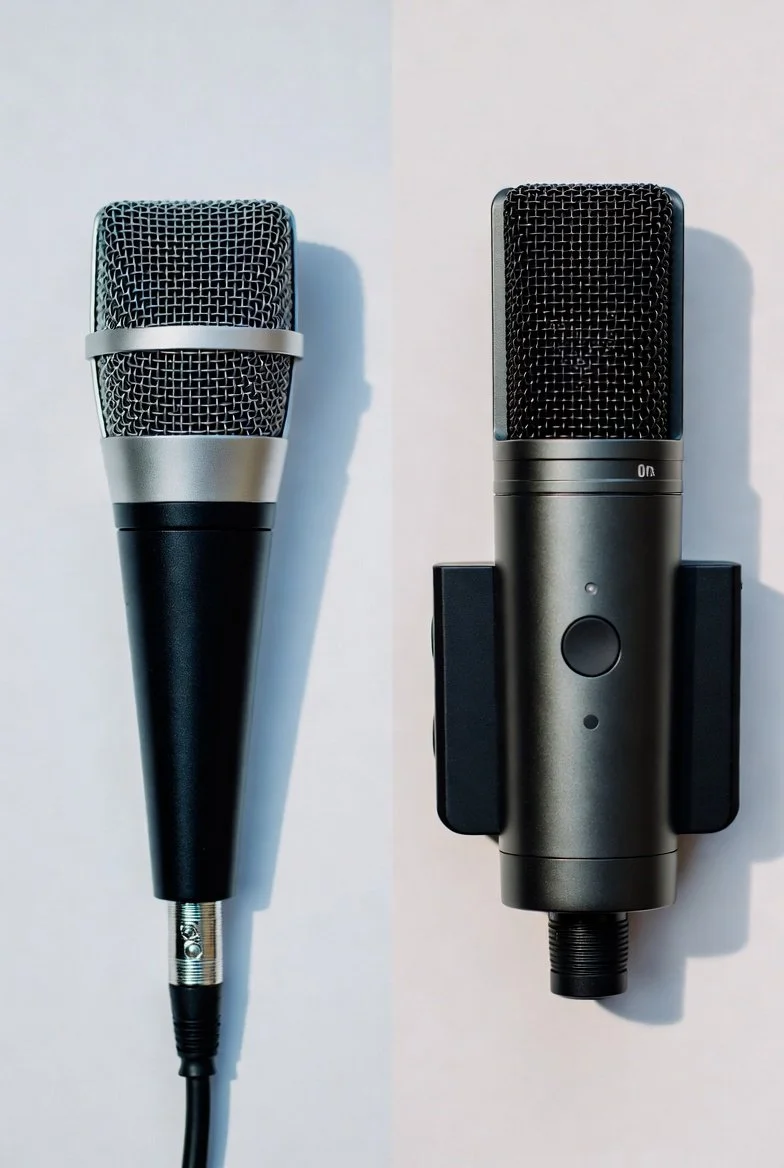
The Wired Mic: Old Faithful or Tethered Tyrant?
Ah, the wired mic—the classic workhorse that's been around since dinosaurs roamed the recording studios (or at least since the '80s). If reliability is your love language, this is your soulmate. Plug it in via USB or XLR, and boom: Instant, stable connection with zero fear of batteries dying mid-monologue. For audiobook narration, where you're often parked in one spot for hours, wired mics shine in fidelity—delivering crisp, high-quality sound without the compression or interference that can plague wireless setups.
Pros? Let's count 'em. First, sound quality: Wired mics like the Audio-Technica AT2020 ($100) or Shure SM7B ($400) offer pristine audio with low noise floors, perfect for capturing every nuance of your velvet tones. No latency means your "dramatic pause" doesn't turn into an accidental echo. Cost-effective too—entry-level wired options start at $50, and they last forever without recharging rituals. For indies pinching pennies, it's a no-brainer: Plug and play, no fancy receivers needed. And in a quiet booth, that direct connection means audiobook mic freedom vs fidelity leans heavy on fidelity—your voice comes through pure, unadulterated, like a fine wine without the cork taint.
But here's the snarky flip side: Cons aplenty if you're a fidgeter. That cable? It's a leash, darling. Trip over it during a passionate read, and you're yanking your setup like a bad magic trick. Mobility's zilch—want to pace for energy? Forget it; you're tethered like a puppy on a short lead. Setup can be clunky with adapters for laptops, and if your cable's cheap, hums or interference sneak in like uninvited guests. For multi-voice projects or if you're narrating while doing interpretive dance (hey, method acting), wired feels archaic. Wireless mic audiobook pros cons comparison? Wired wins on sound but loses on freedom—it's the dependable spouse who never surprises you, good or bad.
One hilarious horror story: A narrator I know got so entangled in cables during a heated scene that they yanked the mic stand over mid-take. Result? A crash that sounded like a plot twist explosion. Moral? Wired's reliable, but mind the mess.
The Wireless Mic: Freedom Fighter or Fickle Friend?
Now, flip the script to wireless mics—the rebels promising untethered bliss. Imagine narrating while strolling your living room, gesturing wildly for emphasis, without cables plotting your downfall. Wireless setups like the Sennheiser XS ($300) or Rode Wireless GO II ($300) use radio frequencies or Bluetooth to beam your voice to the receiver, offering audiobook mic freedom vs fidelity where freedom takes the wheel.
Pros scream liberation: Mobility tops the list—pace, emote, even record outdoors if your booth's feeling stuffy. For dynamic narrators or multi-character switches needing movement, it's gold. Battery life (6-10 hours) means long sessions without plugs, and modern models minimize latency for real-time monitoring. Best mic type for narration if you're indie and multitasking? Wireless shines for quick setups—no cable clutter means faster starts. In 2026, with UHF tech reducing interference, sound quality rivals wired—crisp highs, solid mids—especially in controlled environments. Wireless mic audiobook pros cons? Pros include that "I'm a rock star" feel, perfect for energetic genres like YA or thrillers where physicality amps delivery.
But oh, the cons—they bite like a plot hole in your favorite series. Battery fails mid-take? Dead air, literally. Interference from Wi-Fi or phones can cause dropouts, turning your smooth read into a glitchy robot rant. Costlier upfront ($200+), and setup involves pairing receivers—tech-phobes beware. Fidelity? It can compress audio slightly, losing nuance in quiet passages. For purists, audiobook mic freedom vs fidelity means trading some sound purity for movement. Range limits (100-300 feet) keep you booth-bound anyway, and if you're in a noisy urban spot, signals falter.
Snarky anecdote: A friend went wireless for "freedom," only for their microwave to interfere mid-session. Result? Narration with a side of static popcorn. Lesson? Test in your space—freedom's great, but not if it's fickle.
Freedom vs. Fidelity: The Ultimate Showdown
Here's the heart of wired vs wireless mics audiobooks: Freedom vs fidelity. Wired reigns in fidelity—direct signal means uncompromised quality, ideal for subtle emotional reads where every breath counts. No dropouts, no compression; your voice arrives pure. But freedom? Zilch—you're chained to your desk like a medieval scribe.
Wireless flips it: Supreme freedom lets you move, emote physically, even record standing for better breath control. Best mic type for narration if you're kinetic? Absolutely—energy translates to engaging audio. But fidelity takes a hit—potential interference or compression can muddy nuances, especially in pro setups demanding ACX specs.
In 2026, hybrids blur lines—wired with long cables or wireless with boosters. For audiobooks, prioritize fidelity if solo in a booth; opt freedom if collaborating or needing mobility. Wireless mic audiobook pros cons tilt toward wired for most indies—budget and reliability win. Test both; rent from sites like LensRentals ($50/week) to trial.
Funny tiebreaker: If you trip over cables weekly, go wireless. If your voice is your fortune, stick wired. Freedom vs fidelity? It's your call—balance based on style.
Best Mic Type for Narration: Recommendations for Every Budget
Picking the best mic type for narration? Wired often edges out for audiobooks—consistent, affordable. Budget pick: Fifine K669B wired USB ($30)—clear, plug-and-play. Mid-range: Audio-Technica AT2020 wired ($100)—studio-quality warmth.
Wireless fans: Budget: Maono WM820 ($80)—decent range, low latency. Pro: Shure MoveMic ($250)—fidelity close to wired.
Hybrid tip: Use wired for mains, wireless lavs for guests. Factor noise-canceling—Blue Yeti wired ($130) kills background hums.
Snark: Best mic? One that doesn't make you sound like you're in a well. Test, tweak, triumph.
Real-World Tips: Setup, Maintenance, and Troubleshooting
Tips time! For wired: Use pop filters, position 6-8 inches away. Maintain: Clean grilles, store coiled.
Wireless: Charge fully, avoid interference sources. Troubleshoot dropouts: Change channels.
Both: Warm up voice, hydrate. In 2026, apps like GarageBand monitor live. Funny fix: If wireless fails, go wired—backup saves the day.
Wrapping It Up: Your Mic, Your Masterpiece
There you have it—a sassy showdown of wired vs wireless mics for audiobooks, packed with wireless mic audiobook pros cons, the best mic type for narration debates, and that eternal audiobook mic freedom vs fidelity battle. Whether you choose the tethered reliability of wired or the untamed spirit of wireless, remember: It's about making your voice the hero. Test, tweak, and tell your story with confidence.
And if mic mayhem feels overwhelming, why not let Sounds and Such sort it? We handle setups, recommendations, and full production, ensuring your audiobook sounds flawless—wired, wireless, or wizardry.