Audiobook Retail Sample: How to Pick 5 Minutes That Sell
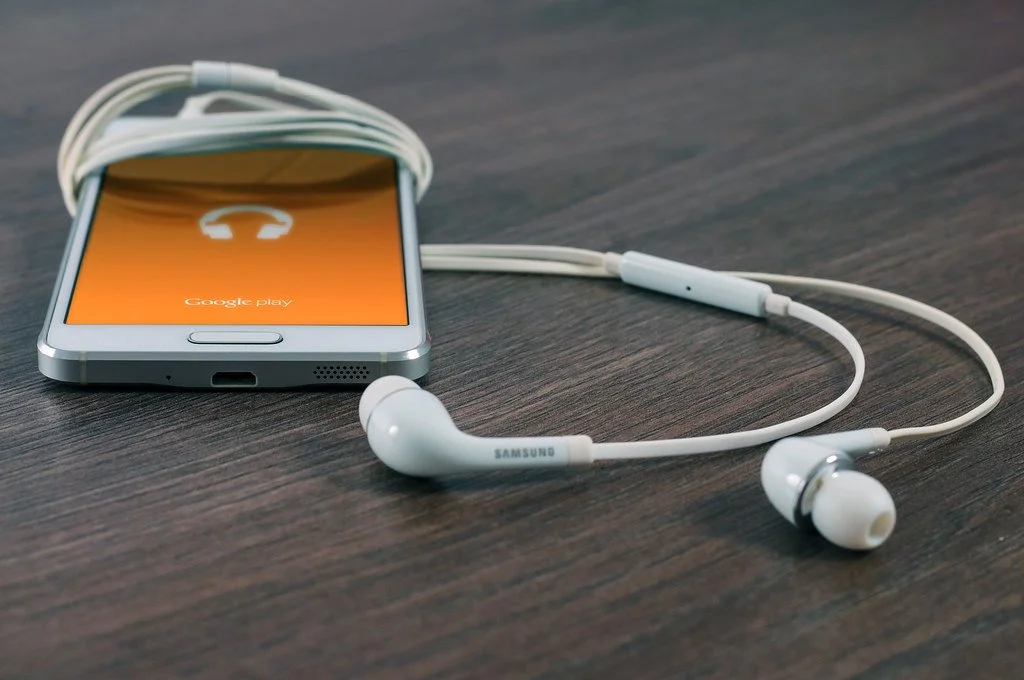
Meet Sunday Coffee Listener. She's scrolling her audiobook app, latte in hand, looking for her next great listen. She taps "Play Sample" on your ACX retail sample and hears a stiff opening and a passage that stops mid-sentence.
She swipes away. (See? Rude.) Now rewind. Same listener, same tap, but this time a confident voice drops her straight into a scene, a character speaks, something is clearly about to go wrong, and the clip ends right as the tension peaks. She taps "Buy." That's the whole job of an ACX retail sample.
It's your audiobook's audition. And too many authors treat it like a permission slip they forgot to get signed: grabbed in a panic right before upload. We're going to treat it like what it actually is, a real production step. (We'll be brief. Ish.)
ACX Retail Sample Rules: The Basics
First, the guardrails. Boring, but load-bearing.
ACX's Audio Submission Requirements call for a retail audio sample that's between one and five minutes long. Not 47 seconds. Not "basically six." ACX describes the ACX retail audio sample as the preview of your audiobook on Audible and Amazon, and puts it plainly: "A great sample will show off your material and attract paying customers!" (Exclamation point theirs. We support it.)
ACX also expressly prohibits erotic or mature content in samples. If your book runs on the steamier side, find a section that's appropriate for all audiences. Yes, there's one in there somewhere.
One more thing worth knowing: when ACX published those requirements back in 2014, it noted that iTunes automatically used the first five minutes of a book as its sample. Store practices change over time, so check how each retailer you distribute to currently handles audiobook samples. Either way, it's a great excuse to make sure your opening minutes could survive an audition on their own, too.
Choosing the Right Section
Now the fun part. (Or the part where you realize you love every page equally.)
ACX's own advice is to grab audio from an early point in the book so you don't give away plot developments. Beyond that, here's what we look for:
A hook. The passage should make Sunday Coffee Listener need to know what happens next. A slow scene-setting paragraph might be gorgeous on the page. In a five-minute sample, it's a nap.
Range. Pick a passage with both narration and dialogue. Narration shows off pacing and tone. Dialogue shows off character voices.
Clarity. Skip passages that lean on characters or events the listener hasn't met yet.
For non-fiction: the core promise. Skip the acknowledgments. (Your editor knows you love them.) Find the "here's what this book will do for you" moment and lead with it.
Pro tip: Ask your narrator which passages they loved performing. ACX suggests the same thing when choosing promo clips, since your narrator is often a first-time reader of your book, too. Then listen to your shortlist cold, like a stranger. The one that makes you want to keep going wins.
Why the Narrator Matters So Much
Your sample previews your narrator as much as your story. Listeners notice. Listeners always notice.
In The Future of Listening, a global NielsenIQ study of 18,000 listeners across 11 countries that Audible shared this month, genre was the single most important factor in which titles listeners choose, followed by topic, with narrator a close third. And 65 percent of listeners seek out more books by a narrator they like.
So your sample does double duty: it sells the story and the voice. Pick a passage where your narrator shines.
Producing the Sample Like It Matters
Treat it as its own mini-production, not a quick trim.
Cut the preamble. No "Chapter One," no opening credits. Start right on the story so the first seconds are pure narration.
Add clean room tone at the start and end. A short, natural bed of room tone keeps the clip from feeling abrupt. No hum, no clicks, no stray breaths.
Match the book's loudness. ACX stresses consistency in audio levels, tone, and noise, because big volume jumps are jarring. Your sample should sound exactly like the book she's about to buy.
End on a small cliffhanger, not mid-sentence. Stop right after a moment of tension, a question, or a reveal. Chopping off mid-word doesn't read as suspense. It reads as "the intern hit export."
Meet the ACX audio file requirements. ACX's specs call for MP3s at 192kbps or higher, constant bit rate, 44.1kHz, and all mono or all stereo (mono strongly recommended). Encode your sample the same way as the rest of the book.
Your Retail Sample Checklist
Before you upload, run through this list.
Does it fit the ACX retail sample length of one to five minutes?
Does it start directly with narration, with no "Chapter One" or credits?
Is it free of erotic or mature content?
Is it from early in the book, with no major spoilers?
Does it have a clear hook?
Does it include both narration and dialogue (or, for non-fiction, the core promise)?
Does it have clean room tone at the head and tail?
Does its loudness match the rest of the audiobook?
Does it end on a tension-building beat rather than mid-sentence?
Is it encoded to the same specs as your other files?
Then test it where people actually listen. Phone speakers first, since plenty of people sample while browsing with no earbuds in, and tinny speakers expose muddy or quiet passages fast. Then earbuds, which reveal every click and edit you were hoping nobody would notice.
Bonus: Using Clips Beyond the Store
Your sample isn't the only audio that can sell your book. Clips on social media, your website, or your newsletter can do the same job. Just know the limit: ACX says that "if your audiobook is exclusive with ACX, the audio excerpts you use cannot exceed 5 minutes or 10% of the total duration of your audiobook (whichever is longer), and must be a verbatim excerpt from your audiobook."
FAQ
How long should an audiobook retail sample be?
ACX requires between one and five minutes. Within that range, aim for a complete moment: long enough to land a hook and show off the narrator, ending on a natural beat.
Which part of the book should I use for my audiobook sample?
Something early, so you don't spoil the plot, with a strong hook and a mix of narration and dialogue. For non-fiction, the passage that states the book's core promise. And keep it free of erotic or mature content.
Why was my ACX retail sample rejected, and how do I fix it?
First, read the specific notes ACX sends you. (They're not being cryptic. Mostly.) Then check your sample against the ACX audio samples and file requirements we can confirm from ACX's own pages:
Length: it must be between one and five minutes. Trim or extend to fit.
Content: erotic or mature content is prohibited. Choose an all-audiences passage.
Consistency: ACX requires consistent levels, tone, and noise. Re-master the sample to match the book.
Encoding: 192kbps+ constant bit rate MP3, 44.1kHz, no VBR or joint stereo. Re-encode if needed.
Wrapping It Up: Nail the Audition
Your retail sample might be the only part of your audiobook a potential buyer hears before deciding. No pressure. (All the pressure.) Follow the rules, pick a hooky passage that shows off your narrator, produce it with care, and test it on real-world devices. Sunday Coffee Listener is waiting. Her latte is getting cold.
And if choosing and polishing that perfect sample feels like one more thing on an already full plate, why not let Sounds and Such take the reins? From casting the right narrator to recording, editing, mastering, proofing, and distribution, we treat every minute of your audiobook, sample included, like it matters.