EQ Tips for Unique Audiobook Voice: Stand Out
Oh, hello, you ambitious audiobook artiste. If you've ever listened to your own narration playback and thought, "Why does this sound like I'm whispering secrets through a pillow?" or "Great, now I resemble a chipmunk with a head cold," welcome to the EQ party. EQ tips for audiobook voice are your secret weapon to standing out in a sea of generic reads, turning your narration from "meh" to "must-listen." We're talking custom EQ for narration voice that carves out your signature sound, audiobook tips that'll have listeners hitting replay, and EQ curves voice acting pros swear by—without turning you into a tech wizard overnight. Because let's be honest: In the audiobook world, where everyone and their cat is narrating from closets, your voice needs that extra polish to cut through the noise. Or, in this case, EQ the noise so it doesn't cut you. This guide's packed with snarky shortcuts and pro hacks to make your audio pop like champagne at a book launch. Grab your headphones (and maybe a lozenge—we'll get to vocal care), and let's EQ your way to uniqueness. Your royalties (and ego) will thank you.
EQ, or equalization, is basically audio's version of makeup: It enhances what's great about your voice while hiding the flaws. Done right, it creates a signature sound audiobook tips swear by—warm, crisp, or edgy, depending on your vibe. But mess it up, and you're that friend who overdoes the contouring and ends up looking like a raccoon. So, let's break it down without the jargon overload.
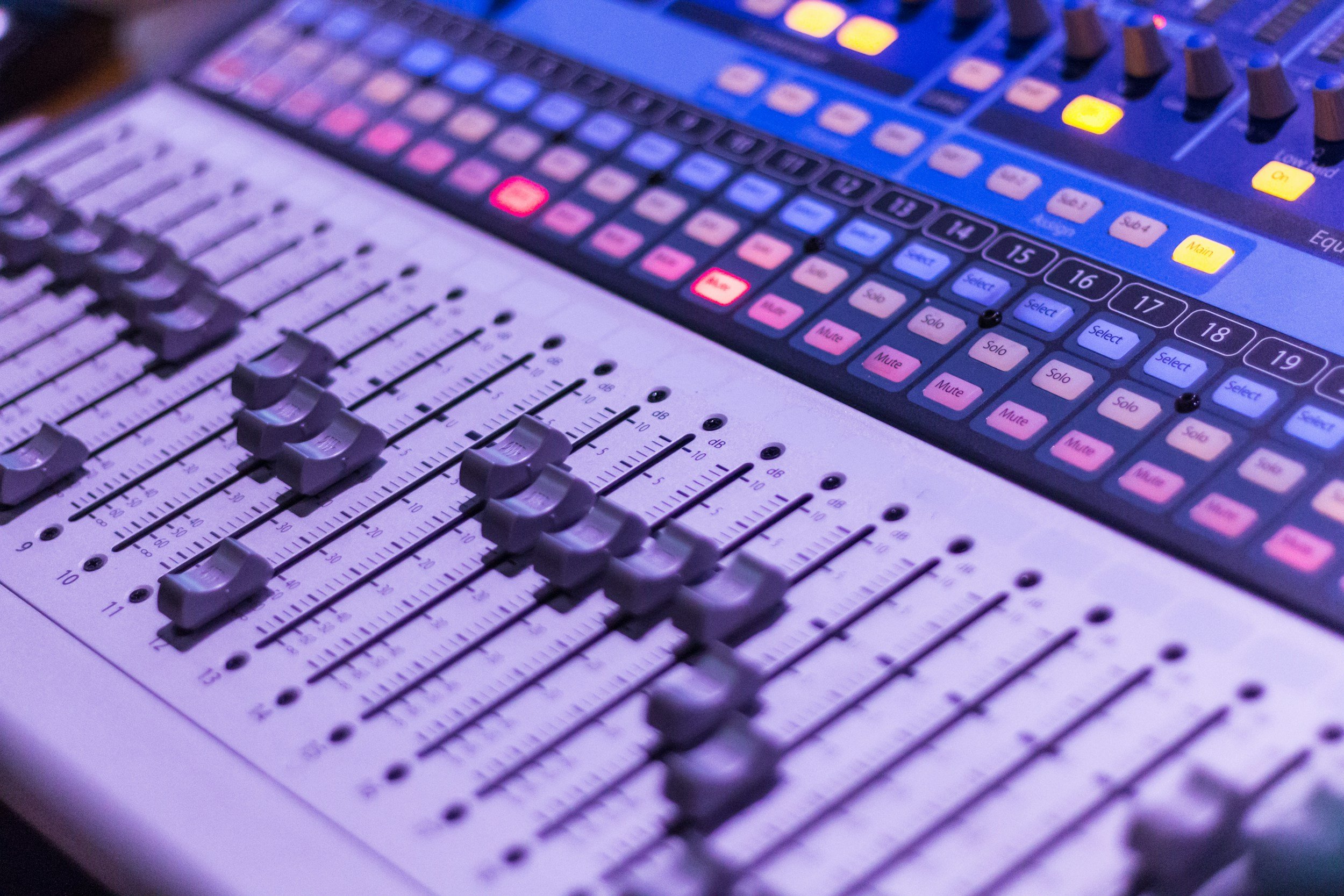
Why EQ Your Audiobook Voice? (Because Bland Is Boring)
First off, why fuss with EQ audiobook voice at all? Can't you just hit record and call it art? Sure, if you enjoy reviews like "Solid story, but the narrator sounds like they're in a tin can underwater." EQ shapes your sound, boosting frequencies that make you shine and cutting those that muddle. For narrators, custom EQ for narration voice means crafting a unique timbre—think warm lows for that cozy storyteller feel or bright highs for energetic YA vibes.
In 2025's saturated market (with audiobooks hitting $2 billion in sales, per industry buzz), standing out is survival. Signature sound audiobook tips help differentiate: A velvety bass for thrillers or sparkling mids for rom-coms keeps listeners hooked. Plus, platforms like ACX demand clean audio—poor EQ leads to rejections faster than a bad date. The funny truth? Most voices are diamonds in the rough; EQ's the polish. Ignore it, and you're that unfiltered selfie at 2 a.m.—honest, but not your best look.
One hilarious horror: I once EQ'd too aggressively, boosting highs till I sounded like a helium balloon. Listeners thought it was a comedy bit. Lesson? EQ enhances, doesn't reinvent.
Understanding EQ Basics: Frequencies Without the Fuss
Alright, let's demystify EQ curves voice acting without a physics degree. EQ adjusts frequencies—low (bass, warmth), mid (clarity, presence), high (air, sparkle). For audiobook voice, aim for balance: Too much bass? Muffled like talking through a sweater. Too many highs? Harsh like nails on chalkboard.
Custom EQ for narration voice starts with your natural tone. Warm voices (deeper registers) cut mids (500-2000Hz) to avoid boxiness, boost highs (5kHz+) for crispness. Bright voices tame highs to prevent sibilance (those spitty "s" sounds), add lows (100-250Hz) for depth.
Tools? Freebies like Audacity or Reaper work; pros use FabFilter Pro-Q 3 for precision. Start flat, listen on headphones/speakers—your car stereo's a brutal truth-teller. Signature sound audiobook tips: Save presets like "Cozy Fireside" (boost 200Hz, cut 400Hz) for reuse.
Snarky pro tip: If your EQ makes you sound like a robot, undo. Voices aren't synthesizers—enhance humanity, don't erase it.
Custom EQ for Narration Voice: Tailoring to Your Timbre
Now, the meat: Custom EQ for narration voice that's uniquely you. Assess your voice—record a neutral read, analyze in software. Boomy? Cut 200-300Hz. Thin? Boost 100-150Hz subtly.
For genres: Thrillers get mid cuts (1-3kHz) for tension without fatigue; romances boost 250Hz for warmth. EQ curves voice acting vary by character—gravelly villains cut highs, add rumble; perky heroes brighten mids.
Practical steps: Parametric EQ—target bands. Example curve: High-pass filter at 80Hz (cuts rumble), slight boost at 120Hz (warmth), dip at 400Hz (boxiness), boost at 3kHz (presence), roll-off above 10kHz (hiss). Test on full chapters—EQ shines in context.
Funny fail: Boosted lows too much; sounded like Darth Vader narrating a cookbook. Dial back for natural.
Learn from pros: Many use "smile EQ"—boost highs/mids for "smiling" clarity. Experiment, but subtly—over-EQ sounds processed, not polished.
Signature Sound Audiobook Tips: Carving Your Niche
Want a signature sound audiobook tips pros envy? It's about consistency with flair. Develop "your" curve—warm boost for intimacy, or crisp cut for energy. Record tests, A/B compare.
Guest spots? EQ to blend—match guest lows to your mids for seamless shifts. Post-production: Automate EQ for scenes (darker for night, brighter for day).
Humor hack: Name curves like "Sultry Sunset" or "Peppy Morning"—fun, memorable. In 2025, AI plugins like iZotope Ozone suggest curves based on voice analysis—tech meets talent.
Pitfall: Copying others—your signature's yours. Tweak till it feels "you."
EQ Curves Voice Acting: Pro Patterns to Try
EQ curves voice acting demystified: The "Audiobook Standard"—high-pass 100Hz, -3dB at 300Hz (mud), +2dB at 2.5kHz (presence), -2dB at 5kHz (sibilance if needed).
For deep voices: Boost 150Hz (+3dB), cut 500Hz (-4dB), boost 4kHz (+2dB).
Bright voices: Cut 3kHz (-3dB), boost 200Hz (+4dB).
Dynamic EQ for problem spots—tames peaks without constant cuts.
Custom EQ for narration voice example: Fantasy narrator—boost 80Hz for epic rumble, cut 1kHz for clarity in spells.
Practice: EQ a public domain read, share for feedback. Curves evolve—refine over projects.
Snark: If your curve makes you sound like a cartoon, flatten and start over.
Common EQ Pitfalls: Don't Fall Into the Trap
No guide's complete without warnings. Over-EQing—sounds unnatural, like over-filtered Instagram. Fix: Subtle adjustments, max ±6dB.
Ignoring room—bad acoustics add reverb; EQ can't fix everything. Treat your space first.
Forgetting playback—EQ for earbuds, not studios; test on consumer gear.
Funny pitfall: EQ'd for "boom," but on phones sounded tinny. Always multi-device test.
Vocal health: EQ hides strain; rest if hoarse.
Advanced EQ Tricks: Level Up Your Game
For pros, dynamic EQ adapts to content—cuts sibilance only when "s" spikes. Multiband compression post-EQ evens levels.
AI tools in 2025 like Acon Digital's Extract:Dialogue auto-EQ for voice isolation.
Layer EQ: Pre-narration (mic), post (software) for finesse.
Signature sound audiobook tips: Experiment with vintage emulations for "analog warmth."
Wrapping It Up: Your EQ'd Voice, Unleashed
There you have it—a sassy stroll through EQ tips for unique audiobook voice that stands out. From why EQ audiobook voice matters to custom EQ for narration voice, signature sound audiobook tips, and those essential EQ curves voice acting, you're armed to make your narration unforgettable. Remember, EQ's your ally—use it wisely, and your voice becomes the star it deserves to be.
And if EQ feels like wrestling a tech octopus, why not let Sounds and Such handle it? These audio experts specialize in custom EQ, narration polish, and full production to craft your signature sound without the hassle.