Audiobook Production Timeline: From Script to Launch
Hey there, fellow storytellers and audio enthusiasts! If you've ever stared at your finished manuscript and thought, "Okay, now how do I turn this into an audiobook without losing my mind or my savings?"—welcome to the club. The audiobook production timeline is like a road trip: Exciting at the start, a bit bumpy in the middle, and utterly rewarding when you reach the destination (launch day, baby!). As of August 2026, with the global audiobook market hitting new heights—think over $7 billion in revenue, per recent Audio Publishers Association reports—getting your indie project out there has never been more accessible. But let's be real: Without a solid indie audiobook schedule guide, you might end up with a timeline that stretches longer than a Tolkien epic.
This post is your realistic production timeline tips compass, walking you through from script to audiobook launch. Whether you're an indie author dipping toes into audio or a producer juggling multiple projects, we'll break it down step by step. Expect a mix of practical advice, common pitfalls, and a dash of humor—because if you're voicing characters alone in a closet, you need a laugh. Aim for 3-6 months total for a standard novel (around 80,000 words), but timelines vary by experience, budget, and whether your cat decides to "help" during recordings. Let's map this out.
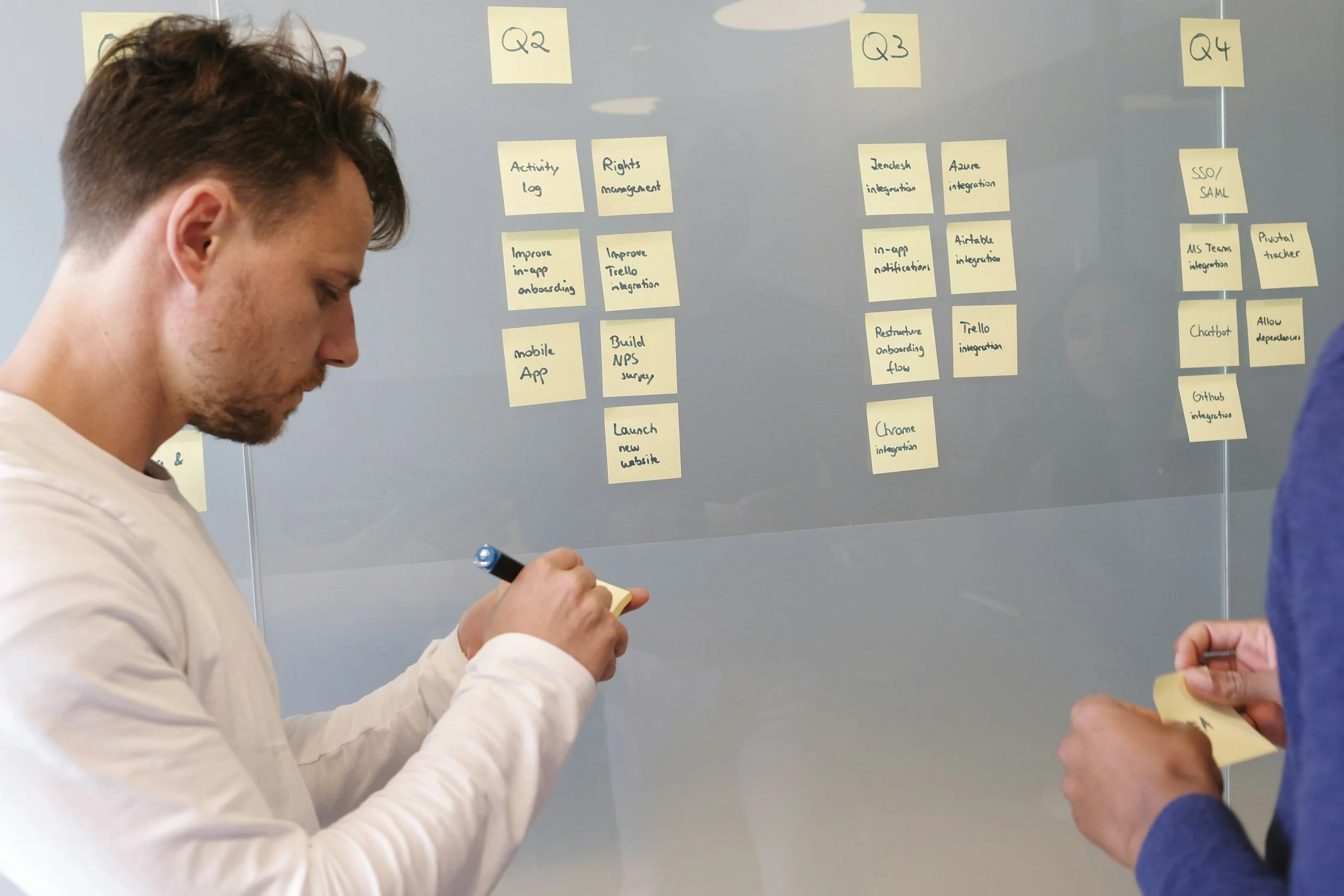
Phase 1: Script Preparation (Weeks 1-2: The Foundation)
Every great audiobook starts with a rock-solid script. Think of this as the "from script to audiobook launch" blueprint phase—skip it, and you'll pay later in retakes. For indies, begin by formatting your manuscript for narration. Use tools like Google Docs or Scrivener to add pronunciation guides (e.g., "Zor-gahn" for fantasy names) and character notes ("Gruff detective: Low pitch, gravelly tone"). This indie audiobook schedule guide tip saves hours: Read the entire book aloud yourself first. Time it—aim for 150 words per minute average—to estimate finished hours (e.g., 80,000 words ≈ 9 hours).
Budget-wise, if hiring an editor, allocate $200-500 for a "narration polish" pass to catch awkward phrasing that reads fine but sounds clunky. Realistic production timeline tips: Factor in 1-2 weeks for revisions. Common pitfall? Ignoring diversity—ensure sensitivity readers flag cultural elements if your story spans regions. Pro hack: Use apps like NaturalReader for initial text-to-speech playback to spot flow issues. By week's end, your script should be narrator-ready, setting a smooth path ahead.
One funny anecdote: I once skipped this step and mispronounced a key character's name for half the book. Retakes? Endless. Lesson learned—prep or perish.
Phase 2: Casting and Narration (Weeks 3-6: The Heartbeat)
Now the fun begins: Bringing words to life. For guest narrators audiobooks or solo gigs, casting is key. Platforms like ACX or Voices.com let you audition pros—post your project with samples, rates ($100-400 per finished hour), and deadlines. Collaborate with pro narrators audiobook by sharing character bios and mood boards (e.g., Pinterest pins for "mysterious villain vibe").
Indie audiobook schedule guide: Allocate 2-4 weeks for recording. A 9-hour book might take 18-27 hours raw (factoring retakes). Realistic production timeline tips: Schedule 2-3 hour sessions max to avoid vocal fatigue—hydrate, warm up with tongue twisters, and take breaks. Guest voice spotlight tips: For multi-voice books, record guests separately, then blend in editing. Learn from narrator techniques like varying pace (faster for action, slower for tension) to keep listeners engaged.
Pitfall: Tech woes. Use quality mics (Blue Yeti, $130) and software like Audacity (free). Record in WAV for editing flexibility. Funny fail: Background noise from a neighbor's lawnmower turned a dramatic scene into "lawn thriller." Solution: Soundproof with blankets or book off-hours. By phase end, you'll have raw files ready for polish—celebrate with silent cheers to save your voice.
Phase 3: Editing and Proofing (Weeks 7-10: The Polish)
Ah, editing—the phase where magic meets meticulousness. From script to audiobook launch, this is where raw takes become gold. Indie audiobook schedule guide: Budget 2-4 weeks, depending on length. Use DAWs like Reaper ($60) or Adobe Audition (subscription) to cut flubs, normalize levels (-23 to -18 dB RMS per ACX specs), and reduce noise.
Realistic production timeline tips: Prooflisten on multiple devices—headphones catch breaths, speakers reveal echoes. For multi-narrator spots, ensure seamless blends with crossfades. Add music/SFX sparingly (royalty-free from Epidemic Sound, $15/month)—subtle beds enhance without distracting.
Learn from narrator techniques in edits: Punch in fixes for consistency, like re-recording a line to match energy. Common pitfall: Over-editing turns natural into robotic—keep breaths for humanity. Guest voice spotlight tips: Highlight guests with EQ boosts for presence. Funny story: I once edited out too many pauses, making dialogue sound like a auctioneer frenzy. Fix: Time breaths naturally (1-2 seconds). End with a full proof—beta listeners catch what tired ears miss.
Phase 4: Mastering and Quality Control (Weeks 11-12: The Final Touch)
Mastering is the gloss coat on your audiobook masterpiece. This 1-2 week phase ensures compliance and shine. Use tools like iZotope RX ($400, or free trials) for spectral editing—zap mouth clicks, balance frequencies.
Custom EQ for narration voice: Boost mids (2-5kHz) for clarity, cut lows (below 100Hz) for rumble. Signature sound audiobook tips: Develop curves like "Warm Narrator" (+3dB at 200Hz) for uniqueness. EQ curves voice acting: Parametric for precision—dip at 400Hz for boxiness.
Realistic production timeline tips: Run ACX checks—192kbps MP3, mono, noise floor -60dB. Pitfall: Skipping—rejections delay launch. Funny fail: Forgot chapter markers; listeners jumped timelines like time travelers. Fix: Add in metadata.
Quality control: Full listen on consumer gear. For indies, outsource if budget allows ($50-150/hour). End with masters ready for upload—your baby is almost born!
Phase 5: Cover, Metadata, and Pre-Launch Prep (Weeks 13-14: The Packaging)
From script to audiobook launch, packaging sells. Design covers with tools like Canva (free) or pros on Fiverr ($50-200)—eye-catching, genre-fitting (e.g., moody shadows for thrillers).
Metadata: Title, description with keywords (e.g., "gripping mystery audiobook"), credits. Indie audiobook schedule guide: 1 week for this. Upload previews to ACX for approval (10 days typical).
Pre-launch: Build buzz—social teasers, ARC reviews via NetGalley. Realistic production timeline tips: Schedule marketing 2 weeks pre-launch.
Pitfall: Rushed descriptions miss SEO. Funny: Typos like "mistery" instead of "mystery"—spellcheck saves face.
Phase 6: Launch and Post-Launch (Week 15+: The Payoff)
Launch day! Upload to ACX, Kobo, Findaway—distribute wide. Indie audiobook schedule guide: Monitor first week sales, respond to reviews.
Realistic production timeline tips: Promote via podcasts, BookTok. Learn from launches—track what works (e.g., guest spots boost visibility).
Funny post-launch: That one review loving your "unique accent"—accidental charm. Celebrate, then plan the next.
Overall timeline flexible—rush if experienced, extend for perfection. Total cost: $1,000-5,000 indie.
Wrapping It Up: Your Audiobook Journey Complete
From script to audiobook launch, this realistic production timeline tips guide equips you for success. With an indie audiobook schedule guide in hand, tackle each phase confidently. Your story deserves to be heard—now go make it happen.
And if timelines feel daunting, why not partner with Sounds and Such? These pros handle everything from script prep to launch, turning your vision into polished audio without the stress.